A basement can become one of the most useful areas of your home when it is properly finished. Whether you want to create a family room, home office, entertainment area, guest space, or additional living space, professional basement drywall installation can transform an unfinished basement into a comfortable and finished environment.
But how do you know when your basement is ready for a full drywall finish instead of remaining unfinished or receiving only minor repairs? Here are some important signs to consider.
1. Your Basement Has Exposed Studs and Insulation
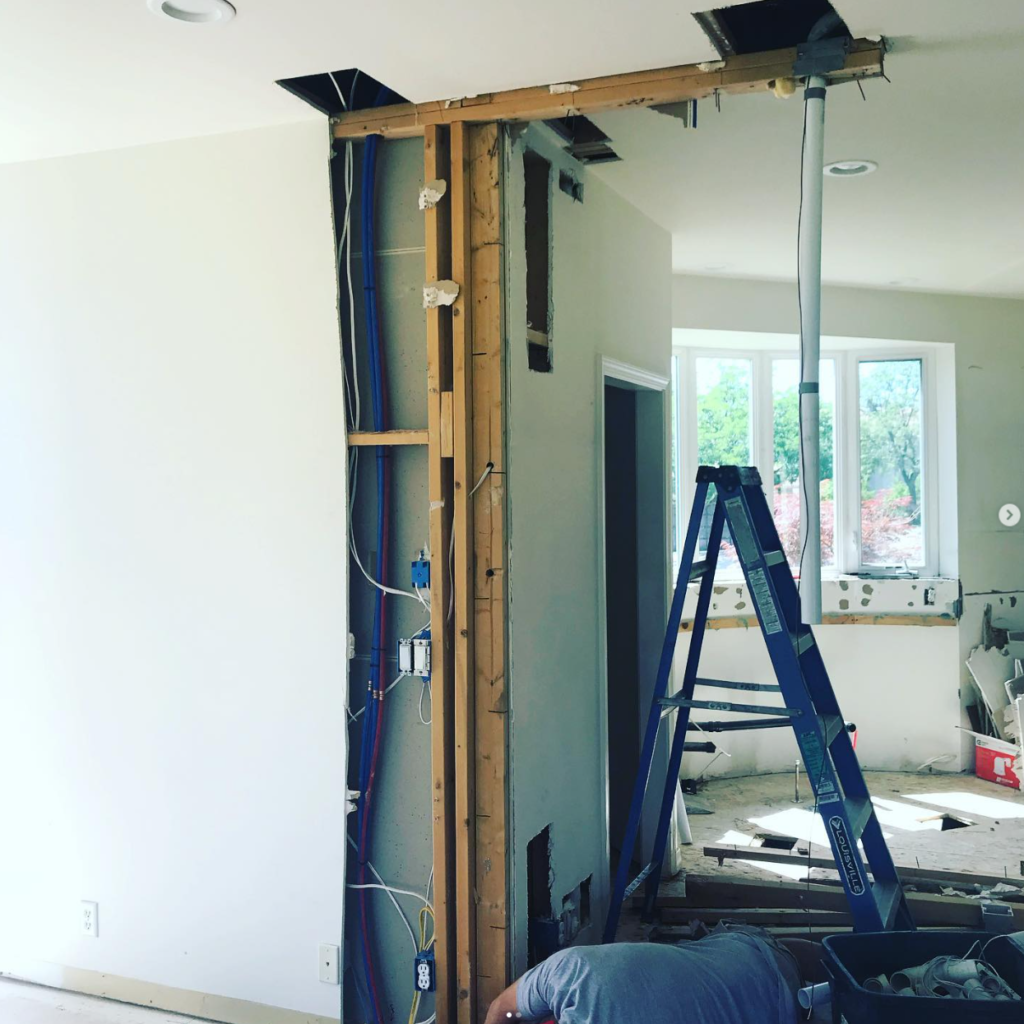
One of the clearest signs that your basement is ready for drywall is exposed wall framing.
If your basement walls currently have visible wood or metal studs, insulation, wiring, or plumbing, drywall can help create a cleaner and more finished appearance while enclosing the wall system.
Before drywall is installed, framing, electrical work, plumbing, and insulation should be properly completed and inspected where required.
2. You Want to Turn the Basement Into Living Space
If you’re planning to use your basement as a family room, bedroom, home office, recreation room, gym, or entertainment area, a full drywall finish can make the space feel much more like part of the finished home.
Drywall provides a smooth surface that can be painted and customized to match the rest of your interior.
3. The Existing Walls Look Unfinished
Concrete foundation walls, exposed framing, unfinished ceilings, and visible utilities can make a basement feel cold and incomplete.
A properly installed drywall system can create a more polished appearance and help visually separate finished living areas from mechanical or storage spaces.
4. You Need Better Insulation and Sound Control
Basement walls can benefit from properly planned insulation and drywall assemblies. Depending on the existing construction and local requirements, insulation can help improve comfort while drywall creates the finished interior wall surface.
For homeowners concerned about noise, a properly designed wall assembly can also incorporate sound-reduction materials and techniques.
This can be particularly useful if the basement will contain a home theater, office, entertainment area, or living space.
5. You’re Remodeling the Basement
If you’re already planning a basement renovation, it may be the right time to complete the drywall instead of leaving the walls unfinished.
A basement remodel may involve:
- New framing
- Electrical work
- Plumbing
- Insulation
- Drywall installation
- Ceiling installation
- Taping and mudding
- Drywall finishing
- Painting
- Flooring
- Trim and doors
Coordinating these stages properly can help create a cleaner and more efficient remodeling process.
6. Your Basement Has Old or Damaged Drywall
If your basement already has drywall but it is cracked, damaged, stained, poorly finished, or outdated, patching individual areas may not always provide the appearance you want.
A professional contractor can inspect the existing drywall and determine whether localized repairs are sufficient or whether replacing larger sections with a new drywall finish would be more practical.
7. You Want a More Consistent Interior Design
A finished basement should ideally feel connected to the rest of the home.
Professional drywall finishing creates a smooth surface that can be painted in your preferred colors and coordinated with flooring, lighting, trim, doors, and other interior elements.
With the right finish, an unfinished basement can become a natural extension of your home’s living space.
8. You Need a Professional-Level Finish
Installing drywall is only one part of the process. A high-quality basement finish also requires proper taping, joint compound application, sanding, corner finishing, texture matching, and surface preparation.
Poorly finished seams, visible screws, uneven joints, and rough corners can become especially noticeable once the walls are painted.
Professional drywall finishing helps create a smooth, consistent appearance throughout the basement.
Before Installing Drywall
Before beginning a full basement drywall project, it’s important to make sure the space is ready.
Contractors may need to evaluate:
- Moisture or water issues
- Wall framing
- Insulation
- Electrical systems
- Plumbing
- HVAC
- Ceiling height
- Existing drywall
- Local building requirements
Any moisture problems should be addressed before drywall installation. Installing drywall over an unresolved water or moisture issue can lead to additional damage later.
Why Professional Basement Drywall Installation Matters
A basement presents different challenges than a typical above-grade room. Proper planning is important because drywall needs to work with the existing framing, insulation, electrical, plumbing, ceilings, and finishing requirements.
Experienced drywall contractors can handle the process from wall preparation and drywall installation through taping, mudding, sanding, and final finishing, helping create a clean and durable result.
Final Thoughts
If your basement has exposed framing, unfinished walls, damaged drywall, or you’re planning to convert the space into usable living or commercial-style space, a full drywall finish may be the right next step.
From basement remodeling and new drywall installation to metal stud framing, drywall repair, taping, and finishing, professional workmanship can make a significant difference in the final appearance and functionality of the space.
If you’re planning to finish your basement, contact a professional drywall contractor to evaluate your space and discuss the best approach for your project.